
For the most part the Classical Pilates repertoire consists of approximately 4-6 repetitions of each exercise. This is across all pieces of apparatus. You may think “this means Pilates is super easy, how can you possibly get a good challenge to your muscles with such a minute amount of repetitions?!!!” Not only do you do very few repetitions but you do only one set of those repetitions. “WHAT????!!!” you may scream “that’s INSANITY, how could you ever EVER get a half way DECENT work out without doing at LEAST three sets of 8-10 reps?!” Back up, calm down and I will answer this for you.
As Pilates teachers we are obsessed with form. Obsessed! A well trained, experienced teacher can not only spot a misaligned movement but can also tell you WHY the move is incorrect and more importantly what muscles are or are not being used. This made my teacher training terrifying because whenever I taught a student anywhere, even remotely close to the vicinity of my teacher, she would yell across the room to point out imbalances in my client and in my teaching. It was incredible. She would do this WHILE teaching her own client too! She did not give me an inch and this is why I am the teacher I am today. After years of teaching I can spot imbalances in my students and encourage (by tactful and kind – encouraging words) correct movement and muscle engagement. This is the key to Pilates, you do fewer repetitions of each exercise because, if you are using the correct muscles throughout the entire exercise (which in Pilates is ALL of the muscles ALL of the time) you can only do a few repetitions before mental and physical fatigue take over.
Classical Pilates is a complete mind body modality. Joseph Pilates himself said “ideally, our muscles should obey our will. Reasonably, our will should not be dominated by the reflex actions of our muscles.” At the beginning of every one of my classes I have everyone breathe and focus inwardly. Throughout the stretching and strengthening of each and every move I check in with my students. I ask them rhetorical questions meant to lead them toward self discovery, so they can figure out for themselves where they hold tension. Which part of their body is weaker or stronger. How they can identify imbalances then re-calibrate to bring balance to their physical being. Ideally this process continues once they leave class. You can take what you learn in Classical Pilates and then translate that to any other physical task including traditional weight training.
Now you may have heard of the hundred and may feel the need to call me out on the fact that the hundred is called such because you do a hundred “reps” of this exercise. You are completely correct. Although I would like to point out that those one hundred repetitions refer to small pulses with the arms while the rest of your body is perfectly still, supported by strong, engaged abdominals. I would also like to point out that you should never ever EVER ever ever ever EVER perform the hundred without prior Pilates training. Done correctly you use your deepest abdominal muscles that have been gradually building up to a hundred pulses. Done incorrectly you hurt the back of your neck and your lower back. This is because when your abdominals get tired, if you force yourself to stay in the same position, your neck and back take over.
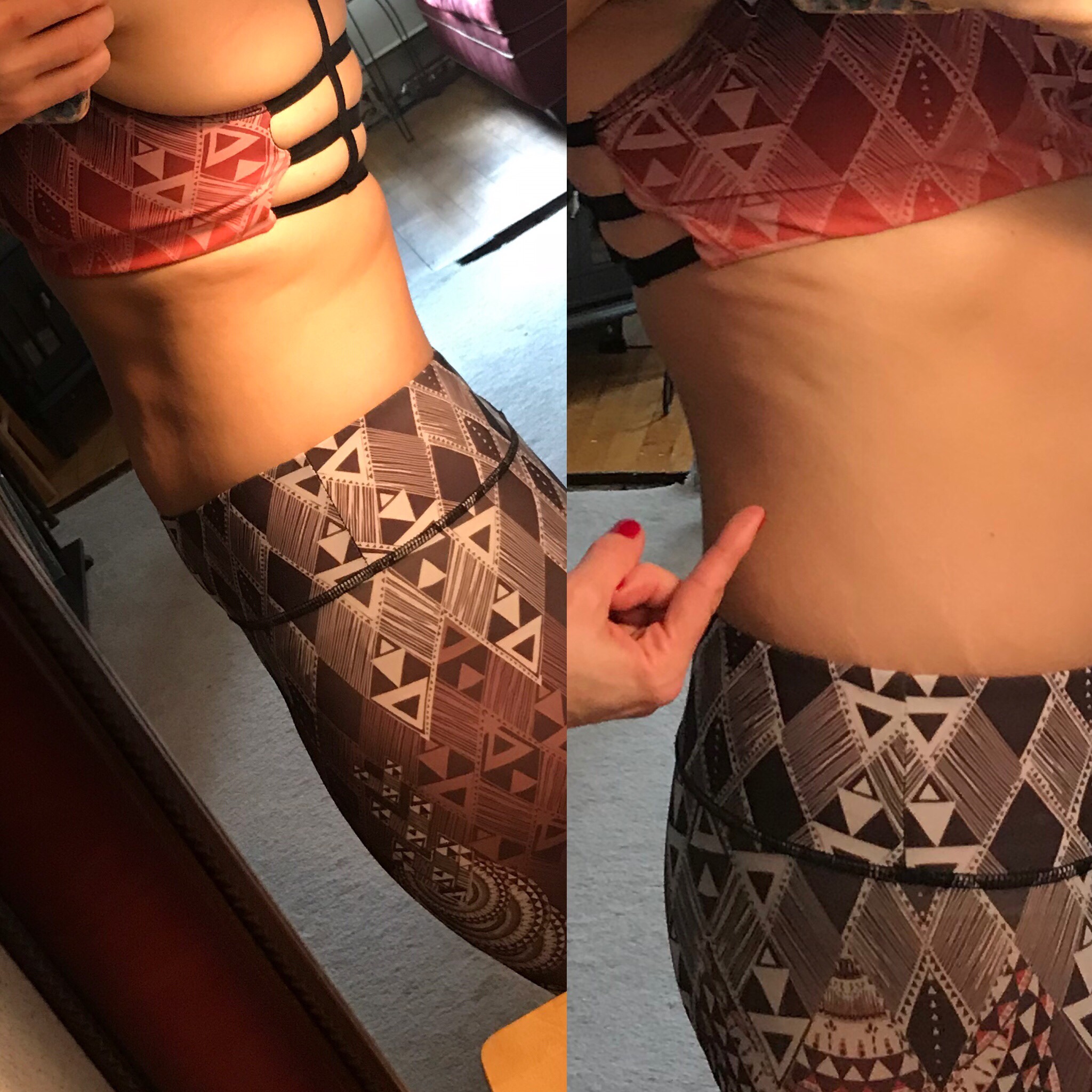
Soooooooo – can you get a comprehensive, full, effective workout doing just Pilates? Even with its low reps? Yes, of course you can. Don’t be silly! First off you do not have to do a lot of strength training to see results. In fact compared to cardio exercise which is recommended most days of the week, strength training is recommended just 2 or 3 days a week. Now think of doing exercises that strengthen and stretch all parts of the body. You are not drilling quads, or pecks, or glutes, or shoulders – all of which, by the way, are already overused in daily life. No my friend, you are strengthening your transversus abdominis, internal external obliques, (see previous blog
https://wordpress.com/block-editor/post/alignrochester.wordpress.com/187 on what exactly these muscles are) your back, your gluteus medius, triceps, anterior and posterior serratus, quadratus lumborum, the list goes on ad infinitum. So I implore you give Classical Pilates a chance. I can guarantee it will be a very effective part of your strength training program. Or if you’re like me, your super effective – full body strength training program. The end.
 Official Website of Align Rochester Fitness
Excellent writing. I really miss your teaching. ❤️
Thank you Sandy – I miss teaching you!!!