
The average human head clocks in at about 10 lbs and this is a lot for your poor little cervical spine to handle. Standing perfectly upright your spine will balance it out starting with your cervical spine (the part of your spine between your head and shoulders) curving slightly in one direction, your thoracic spine (your largest spinal section spanning from right above your shoulders down to the middle of your torso) curving in the opposite direction, then your lumbar spine (beginning mid-torso and ending right above your hips) curving back in the same direction as your cervical spine. If your head is right on top of that and centered, that 10 lbs of head weight will be evenly distributed throughout the rest of your body. Unfortunately this is not usually the case because: a. we are dynamic beings that move around all over in different ways and planes constantly also b. we are governed by our eyes and hands since we are front facing beings. So we almost always lean our head forward when doing most things; including, but not limited to, looking at our stupid, stupid phones.
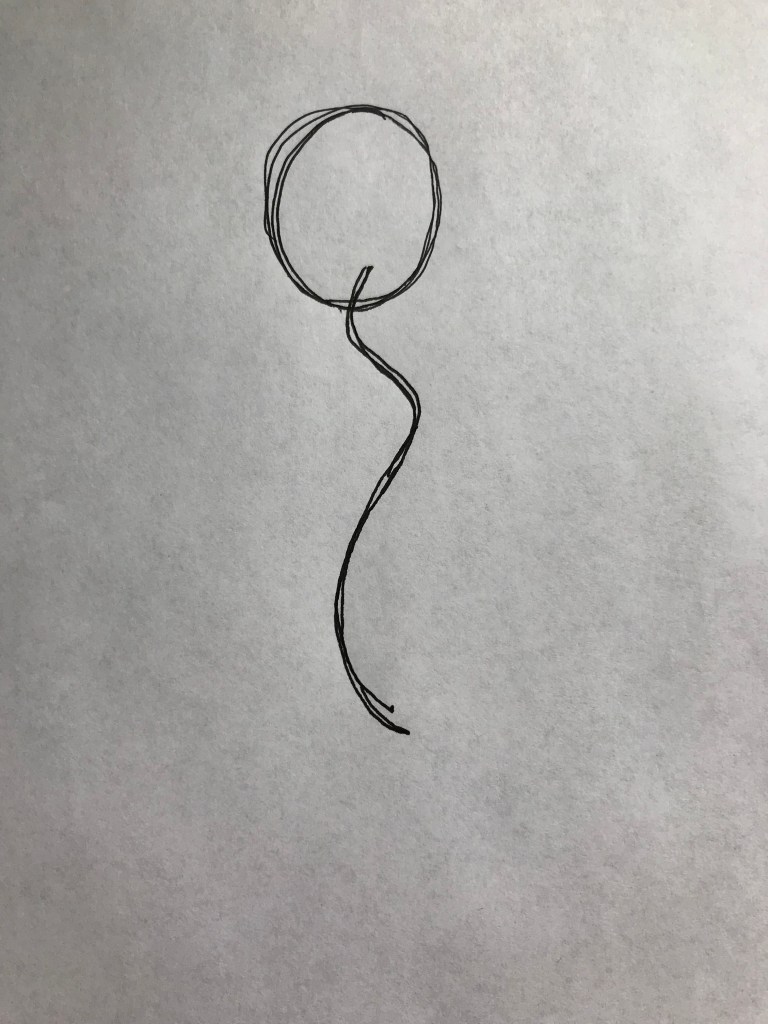
So let me just tell you what happens to the weight of your head as you slowly lean it forward. At two inches forward you add an extra 10 lbs of weight, mostly handled in your cervical spine. Another couple inches forward and you gain another 10 lbs for your little baby cervical spine to handle. So leaning your head forward 4 inches will give your spine about the weight of two bowling balls to handle mostly on its own. Also, I would like to tell you what runs right next to your cervical spine – all of your nerves. Your central nervous system runs in through and around your cervical spine coming from your brain stem and innervating the rest of your entire body. So I want you to imagine your spinal cord right now and how it may be encumbered while you’re reading this. So, you may ask, “How do I find this ideal posture where my head is equitably balanced on my spine?” You may also wonder “What kind of stretches can I do to counteract the inevitable spinal imbalance that occurs from my daily life?” Dear reader, read on and all will become clear.
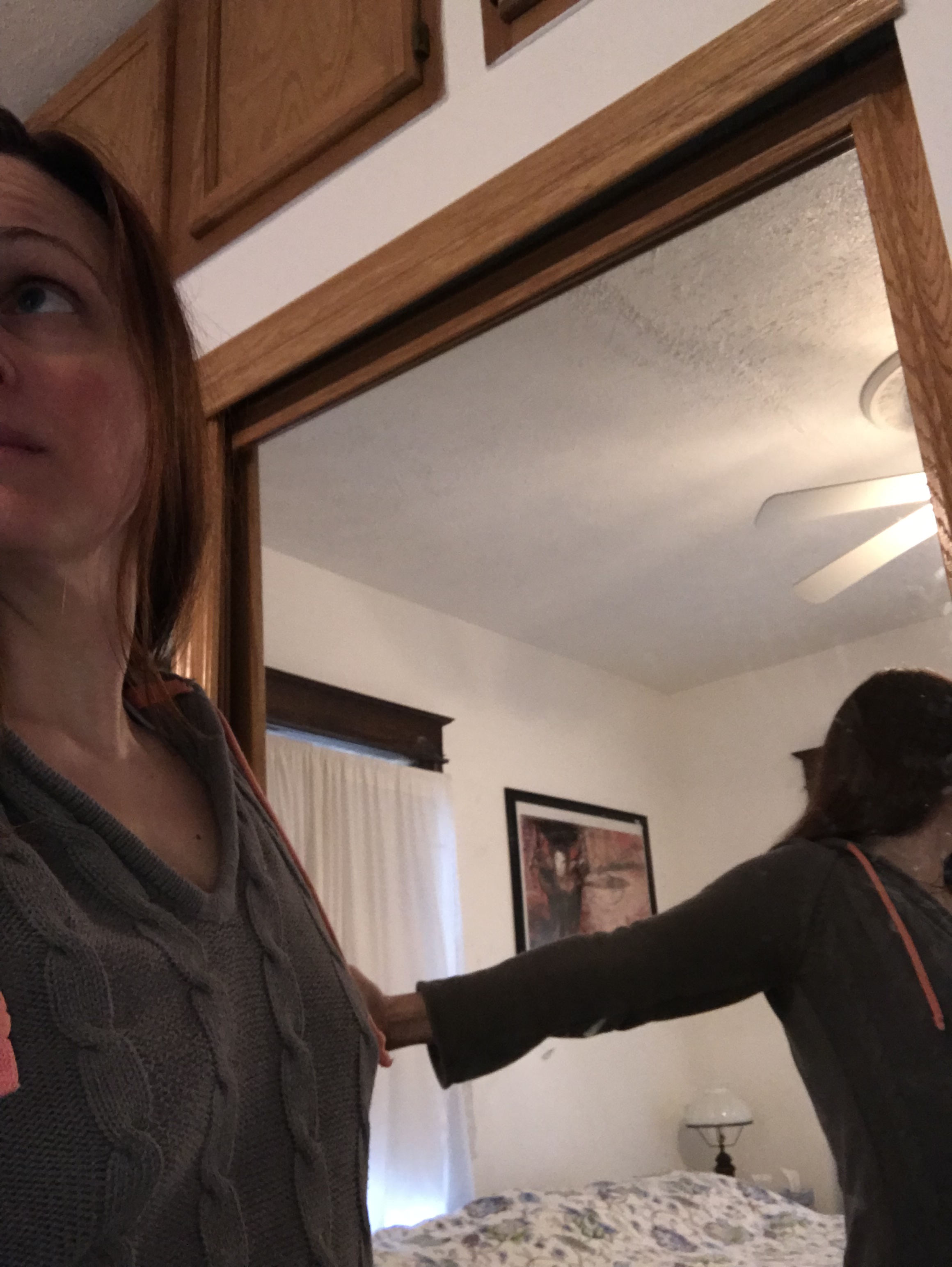
To help train yourself in obtaining and maintaining ideal posture go find your closest Classically trained Pilates Professional and start private pilates sessions now! However if this is impractical for you at the moment then go find a wall to stand against. Stand up as tall as you can and work on resting the back of your head, the backs of both shoulders and your behind on the wall comfortably. Chances are it will be difficult, especially keeping your shoulders against the wall. This is because of tension in the chest because we all hunch forward somewhat (being the forward facing creatures that we are) so stretching out the front of the body will free up the back of it. A pretty easy but effective stretch is, as you are facing a wall, place your open palm on it. Then with your arm straight, turn your torso away from your palm. You should feel a nice stretch in the front of the arm, shoulder and ultimately your chest. Then get back up against that wall and see if you can get the backs of those shoulders closer to it (if a straight arm is a bit much you can do the same stretch with a bent elbow).
A good way to help determine good posture in a seated or standing position is to imagine your head balancing right in between your shoulders with your chest open to counteract the hunching. If you have a buddy you can help each other out – you sitting or standing as straight as possible and then your friend looking at you from the side. Ideal posture dictates that your earlobe is in line with the middle of your shoulder. In turn the middle of your shoulder is in line with the center of your rib cage, the center of your rib cage in line just in front of the center of your hip. After that, the front-ish center of your hip should be in line with the area near the front of your knee and then, that all should line up just slightly in front of the ankle. Of course if you’re sitting you would stop at the hip (although you can also see if you can get your knee to rest directly over your ankle and the weight in your feet evenly distributed, if you wanted to). Also, again let me point out, you are best off consulting a professional when checking your alignment. However even an untrained eye can ferret out large, noticeable imbalances. So get out there and help each other!
Additionally while you are sitting or standing try your best to keep whatever you are looking at face height ESPECIALLY your phone. If you hold your phone right in front of your face you won’t need to bend over to look at it! Also move around and stretch as much and as often as you are able. Reach your hands over your head, roll your shoulders around, move your head side to side, bend over sitting or standing. Staying locked in place is not good for your body – it needs to move. Believe me I have but gently scratched the surface of ideal posture but I hope if there is one thing you take away from this blog it is this: your head is heavy and you need to keep it balanced directly in between your shoulders.
 Official Website of Align Rochester Fitness